The Supreme Court will decide whether your Instagram DMs, TikTok videos, and Facebook posts deserve the same constitutional protections as your private diary. The case, *Digital Privacy Coalition v. United States*, represents the most significant challenge to government surveillance powers since the Snowden revelations.
At stake: whether law enforcement can access your social media data without a warrant, and whether tech companies can be forced to build backdoors into encrypted messaging apps. The Court’s decision, expected by summer 2026, will reshape digital privacy for 300 million American social media users.
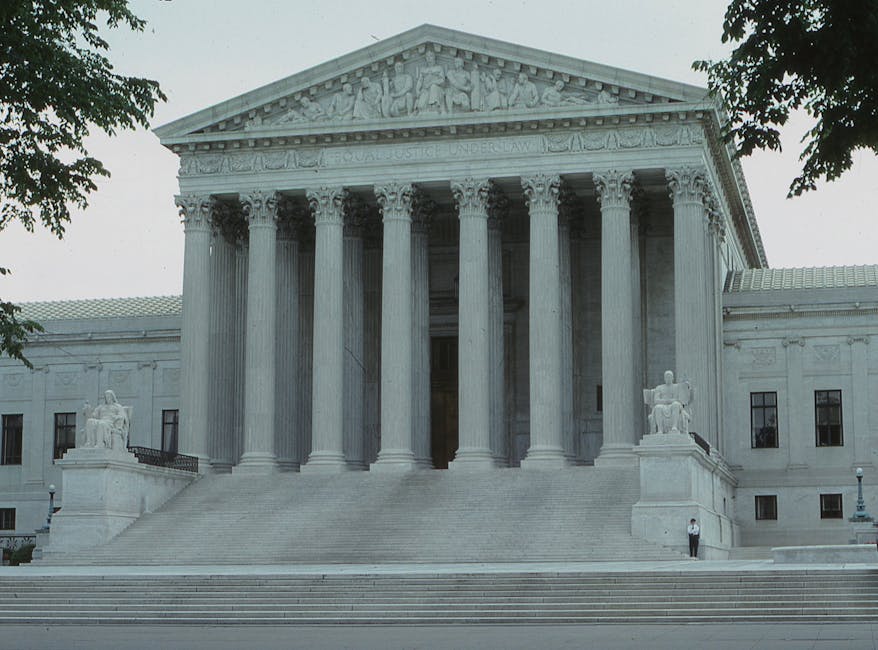
## The Case That Could Redefine the Fourth Amendment
The lawsuit stems from a 2024 FBI investigation into domestic terrorism threats. Federal agents used Section 702 of the Foreign Intelligence Surveillance Act to collect over 47,000 social media posts, direct messages, and location data from 12 platforms including Meta, X, Snapchat, and Discord—all without individual warrants.
The Digital Privacy Coalition, backed by the Electronic Frontier Foundation and representing tech companies worth $3.2 trillion combined, argues this violates the Fourth Amendment’s protection against unreasonable searches. Their central claim: digital communications deserve the same privacy protections as physical documents stored in your home.
“The government is treating your Instagram story like a billboard and your WhatsApp messages like postcards,” said Sarah Chen, lead attorney for the coalition. “That’s not how Americans understand privacy in 2026.”
The Justice Department counters that social media posts shared with hundreds of followers carry no reasonable expectation of privacy. They point to the Third Party Doctrine, established in 1976’s *United States v. Miller*, which allows warrantless collection of information shared with third parties—originally applied to bank records, now extended to digital platforms.
### Key Legal Questions Before the Court
Three constitutional issues will determine the outcome:
**Fourth Amendment Scope**: Does the amendment protect data stored on servers owned by private companies? Lower courts split 7-5 on this question, with the Ninth Circuit ruling that cloud storage deserves protection while the Fifth Circuit disagreed.
**Third Party Doctrine Application**: Should a 1976 precedent govern 2026 technology? The coalition argues that doctrine never anticipated platforms where users share intimate details with algorithms, expecting privacy through technical encryption.
**Government Surveillance Powers**: Can Congress authorize mass data collection through broad statutes, or must each search meet individualized probable cause standards? The Biden administration expanded Section 702 in 2023, covering 847 new categories of digital communications.
## Tech Industry Stakes and Corporate Positions
Major platforms face conflicting pressures that could reshape their business models. Current compliance costs for government data requests reached $2.3 billion industry-wide in 2025, according to TechNet lobbying disclosures.
**Meta’s Position**: CEO Mark Zuckerberg testified before Congress in September 2025 that broad surveillance mandates threaten user trust. Meta spent $18 billion on content moderation and privacy infrastructure since 2020, partly to avoid government oversight. The company backs warrant requirements for private messages but accepts broader access to public posts.
**Apple’s Encryption Battle**: Apple refuses to build surveillance backdoors, citing the 2016 San Bernardino case. CEO Tim Cook warned Congress that compliance would require dismantling end-to-end encryption for 2.2 billion devices globally. Apple’s position carries extra weight—the company’s $3.1 trillion market cap makes it larger than most national economies.
**Alphabet/Google’s Compromise**: Google proposed a middle path: automated scanning for clearly illegal content (terrorism, child exploitation) while requiring warrants for personal communications. The company processes 8.5 billion searches daily and stores petabytes of user data across Gmail, YouTube, and Drive.
### International Implications
The Supreme Court’s decision will influence global digital rights. The European Union’s Digital Services Act already requires warrant-equivalent protections for EU citizens’ data, even when stored on US servers. China’s data localization laws mandate that Chinese user data never leave the country.
“American tech companies face a compliance nightmare,” explained Dr. Maria Rodriguez, cybersecurity professor at Georgetown Law. “Different privacy standards in different countries for the same platforms. A broad Supreme Court ruling could force companies to choose between markets.”
## Political and Legislative Context
The case arrives amid heightened political tensions over both privacy and national security. Republicans generally support law enforcement access but oppose Big Tech power. Democrats favor privacy protections but worry about misinformation and extremist content.
**Congressional Response**: House Speaker Kevin McCarthy introduced the Digital Privacy Protection Act in January 2026, requiring warrants for private communications while expanding access to public posts. The bill has 218 co-sponsors but faces Senate opposition from both progressive Democrats and libertarian Republicans.
**State-Level Action**: Fourteen states enacted their own digital privacy laws in 2025, creating a patchwork of conflicting requirements. California’s Consumer Privacy Act 2.0 gives users absolute control over their data, while Texas allows broad law enforcement access during declared emergencies.
**2026 Election Impact**: Every major presidential candidate has staked out positions. Democratic frontrunner Gavin Newsom promises “absolute digital privacy protection,” while Republican leader Ron DeSantis supports “national security exceptions for Big Tech surveillance.”
### Law Enforcement Concerns
Police chiefs from major cities argue that digital privacy could hamper terrorism investigations and child protection efforts. The International Association of Chiefs of Police submitted a brief citing 847 cases since 2020 where social media evidence proved crucial for convictions.
“Criminals don’t distinguish between physical and digital spaces,” wrote FBI Director Christopher Wray in a Wall Street Journal op-ed. “Neither should the Constitution.”
However, privacy advocates point to abuse statistics: the NSA admitted to 182,000 unauthorized searches of American communications data in 2024, while local police departments faced 23 lawsuits for overreach in social media surveillance.
## What This Means for Your Digital Life
The Supreme Court’s decision will directly affect how you use social media, messaging apps, and cloud storage. A broad ruling favoring privacy could force fundamental changes to major platforms.
**Likely Outcomes**: Legal experts predict a narrow 5-4 decision focusing on private messages while allowing continued access to public posts. Justice Amy Coney Barrett, considered the swing vote, questioned during oral arguments whether “digital papers” deserve different treatment than physical documents.
**Timeline for Changes**: Any new requirements would likely take 18-24 months to implement, giving companies time to adjust technical systems and compliance procedures.
**User Control**: Regardless of the ruling, platforms will likely offer enhanced privacy controls. Instagram already tests “disappearing DMs” while Signal adds features for automatic message deletion.
The Court’s decision will determine whether digital privacy becomes a fundamental right or remains subject to government surveillance needs. For 300 million Americans who share intimate details of their lives online, the stakes couldn’t be higher. Your tweets, photos, and private messages hang in the constitutional balance.