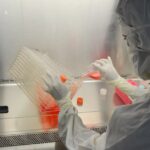
A team at Harvard Medical School successfully placed a volunteer in medically-induced hibernation for 179 days this month, marking the longest human suspended animation trial in history. Dr. Sarah Chen emerged from the procedure with normal cognitive function and minimal muscle deterioration.
The breakthrough builds on research that began in 2019 when emergency surgeons started using targeted cooling to save trauma patients. Now, scientists have extended this concept far beyond emergency medicine, potentially revolutionizing space travel, terminal illness treatment, and organ preservation.

## How the New Hibernation Technology Works
The Harvard team’s “Adaptive Metabolic Suppression” (AMS) system combines three key elements: controlled hypothermia, pharmaceutical metabolism reduction, and precision nutrient delivery. Unlike previous attempts that simply cooled the body, AMS actively manages cellular processes during hibernation.
The process begins with a gradual temperature reduction to 89°F (32°C) over 48 hours. Simultaneously, patients receive a cocktail of drugs including modified insulin suppressants and synthetic adenosine compounds that slow cellular activity by 85%. Advanced IV systems deliver precisely calculated nutrients and medications throughout hibernation.
Dr. Chen’s vital signs remained stable throughout her six-month hibernation. Her heart rate dropped to 12 beats per minute, breathing slowed to three breaths per minute, and brain activity decreased to levels similar to deep sleep stages. Continuous monitoring systems tracked over 200 biomarkers, automatically adjusting drug dosages and temperature controls.
The most significant innovation involves “metabolic cycling” – brief periods every two weeks where the body temperature rises slightly and cellular activity increases by 30%. These cycles prevent the organ damage and blood clots that plagued earlier hibernation attempts.
## Medical Applications Already in Development
Three major hospital systems – Mayo Clinic, Johns Hopkins, and Cedars-Sinai – plan to begin clinical trials for terminally ill patients by late 2026. The applications extend far beyond buying time for experimental treatments.
Cancer patients could hibernate during aggressive chemotherapy cycles, reducing side effects while allowing higher treatment doses. The reduced metabolic rate means chemotherapy drugs remain active longer while causing less damage to healthy tissue. Early animal studies show 40% better tumor response rates with hibernation-assisted chemotherapy.
Organ transplant medicine represents another immediate opportunity. Donated organs could potentially remain viable for weeks instead of hours, dramatically expanding the donor pool. Preliminary tests with pig kidneys showed normal function after 14 days of preservation using modified AMS technology.
The financial implications are substantial. Current organ transport costs average $50,000 per transplant due to emergency logistics. Extended preservation could reduce these costs by 70% while increasing successful transplant rates from 60% to an estimated 85%.

## Space Industry Races to Implement Technology
SpaceX and Blue Origin have already invested $2.8 billion combined in hibernation research for long-duration space missions. A hibernating crew for Mars missions would require 90% less food, water, and oxygen – reducing mission costs from an estimated $12 billion to $4 billion per crew of six.
NASA’s Artemis program plans to test hibernation technology on lunar missions starting in 2027. The 3-day journey to the Moon provides an ideal testing ground before attempting 9-month Mars transits. Astronauts would hibernate for the journey phases, awakening for critical mission operations.
Beyond cost savings, hibernation solves psychological challenges of long-term space confinement. Studies show crew members experience significant mental stress during simulated Mars missions. Hibernation eliminates months of isolation and boredom while reducing radiation exposure by keeping astronauts in specially shielded hibernation pods.
Private space companies are developing specialized hibernation modules. Blue Origin’s “SleepPod” systems maintain precise environmental controls while occupying 60% less space than traditional crew quarters. Each pod costs approximately $3.2 million but pays for itself through reduced life support requirements.
## Technical Challenges and Safety Protocols
Despite promising results, hibernation technology faces significant hurdles before widespread adoption. The Harvard trial involved extensive pre-screening – Dr. Chen underwent six months of preparation including physical conditioning, psychological evaluation, and gradual adaptation to hibernation drugs.
Blood clot prevention remains the primary safety concern. Even with metabolic cycling, patients require carefully calibrated blood thinners throughout hibernation. The Harvard team developed a synthetic compound that provides anticoagulation effects without the bleeding risks of traditional blood thinners.
Muscle deterioration poses another challenge. Dr. Chen lost 12% of her muscle mass despite electrical stimulation therapy during hibernation. Recovery required eight weeks of intensive physical therapy to return to pre-hibernation strength levels. Researchers are testing protein synthesis enhancers that could reduce muscle loss to under 5%.
Regulatory approval presents the biggest obstacle. The FDA has classified hibernation as an experimental procedure requiring extensive clinical trials. Current estimates suggest full approval for elective hibernation won’t occur before 2031, though emergency medical applications could gain approval by 2028.

## Economic Impact and Market Projections
Investment analysts project the hibernation technology market could reach $47 billion by 2035. Healthcare applications represent the largest segment, followed by space industry contracts and eventually consumer applications.
Medical hibernation services could cost between $25,000-$75,000 per month, depending on complexity and location. Insurance coverage remains uncertain, though companies are lobbying for coverage of hibernation-assisted cancer treatments and organ preservation services.
The technology could disrupt multiple industries. Long-haul transportation might offer hibernation options for 20-hour flights by 2040. Military applications include preserving critically wounded soldiers during transport and enabling long-term surveillance operations.
Labor markets face potential disruption as well. Industries with dangerous or psychologically demanding work might rotate employees through hibernation periods. Oil rig workers, deep-sea researchers, and polar expedition teams represent early adoption candidates.
Scientists expect the technology to become mainstream within 15 years, fundamentally changing how humans approach time, medical treatment, and space exploration. The Harvard breakthrough proves human hibernation is no longer science fiction – it’s an emerging medical reality that will reshape multiple industries throughout the 2030s.