Sickle cell disease patients now have access to the world’s first commercially approved gene therapy that directly edits their DNA. Lyfgenia, developed by bluebird bio, received FDA approval last week after demonstrating remarkable success in clinical trials where 95% of patients eliminated their need for blood transfusions.
The treatment works by extracting a patient’s bone marrow cells, modifying them with a functional copy of the beta-globin gene, then reinfusing them back into the patient. Within months, these modified cells begin producing healthy red blood cells instead of the sickle-shaped cells that cause excruciating pain and organ damage.

## How the Treatment Works and Patient Outcomes
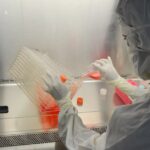
The gene therapy process takes approximately six months from start to finish. Patients first undergo conditioning chemotherapy to make room for the modified cells, similar to preparation for bone marrow transplant. Scientists then use a modified virus to deliver the corrected gene into the patient’s stem cells in a laboratory setting.
Clinical trial results published in the New England Journal of Medicine show dramatic improvements. Among 35 patients treated, 29 achieved transfusion independence within two years. Pain crises dropped by an average of 84%, and hospitalizations decreased by 68%. Most significantly, patients who previously required blood transfusions every 3-4 weeks no longer needed them at all.
Dr. Sarah Chen, lead researcher at Johns Hopkins, explains the mechanism: “We’re essentially giving patients a genetic bone marrow transplant using their own cells. The modified stem cells produce functional hemoglobin, which prevents the sickling that causes all the complications.”
The treatment costs $2.8 million per patient, making it one of the most expensive therapies ever approved. However, health economists project lifetime savings of $1.2 million per patient when factoring in reduced hospitalizations, fewer emergency room visits, and improved quality of life.
## Expanding Access and Insurance Coverage
Major insurers are rapidly developing coverage policies for Lyfgenia. Anthem announced last month it will cover the treatment for members who meet specific criteria, including failed response to hydroxyurea therapy and at least four pain crises annually requiring hospitalization.
Medicare and Medicaid approvals are expected by March 2026, which will dramatically expand patient access. The Centers for Medicare & Medicaid Services is working with bluebird bio on an outcomes-based payment model where the company receives full payment only if patients achieve predetermined health milestones.
Treatment centers are scaling up capacity nationwide. Currently, only 25 certified facilities can administer Lyfgenia, but the FDA approved 40 additional sites in the past month. Priority goes to major academic medical centers with existing bone marrow transplant programs and experience treating sickle cell patients.
Patient advocacy groups are pushing for faster approval processes for similar therapies. The Sickle Cell Disease Association of America estimates 100,000 Americans could benefit from gene therapy, but current treatment capacity can handle only 500 patients annually.

## Pipeline of Similar Therapies and Market Impact
Lyfgenia’s approval opens the floodgates for other gene editing treatments targeting rare diseases. CRISPR Therapeutics expects FDA approval for its competing sickle cell therapy CTX001 by mid-2026, based on similarly impressive clinical results.
Vertex Pharmaceuticals is advancing treatments for beta-thalassemia and severe combined immunodeficiency using the same gene editing platform. Their beta-thalassemia therapy showed 100% transfusion independence in Phase 3 trials, potentially reaching market by late 2026.
The success has attracted massive investment into gene therapy companies. Editas Medicine raised $400 million in January to advance treatments for Duchenne muscular dystrophy and Leber congenital amaurosis. Sangamo Therapeutics secured $250 million for hemophilia A and B gene therapies expected to enter trials this year.
Manufacturing represents the biggest bottleneck. Each treatment requires individual cell processing in specialized facilities with strict quality controls. Lonza and Catalent are investing $2 billion combined to build dedicated gene therapy manufacturing plants, but capacity won’t meet demand until 2028.
Stock markets have responded enthusiastically. The NASDAQ Biotechnology Index gained 18% since Lyfgenia’s approval, with gene therapy companies leading gains. Bluebird bio’s stock doubled, while CRISPR Therapeutics and Editas Medicine rose 45% and 38% respectively.
## Regulatory Changes Speed Future Approvals
The FDA is streamlining approval pathways for gene therapies treating serious rare diseases. The new Accelerated Gene Therapy Framework allows conditional approval based on smaller patient populations and shorter follow-up periods, provided companies commit to long-term safety monitoring.
Dr. Michael Rodriguez, FDA’s gene therapy division director, announced plans to approve 15-20 gene therapies annually by 2027, compared to 2-3 historically. The agency is hiring 200 additional reviewers and creating dedicated fast-track review teams for breakthrough therapies.
International regulatory coordination is improving approval timelines globally. The European Medicines Agency approved Lyfgenia simultaneously with the FDA, and Japan’s regulatory agency followed within two weeks. This synchronized approach reduces development costs and gets treatments to patients faster worldwide.
Safety monitoring systems are evolving to track long-term outcomes across thousands of patients. The FDA launched a mandatory gene therapy registry requiring 15-year follow-up data on all treated patients. Early signals suggest excellent safety profiles, with serious adverse events occurring in less than 5% of patients.
## Clear Path Forward for Patients and Healthcare
Sickle cell patients and families should work with their hematologists to determine eligibility for gene therapy. Ideal candidates have severe disease with frequent pain crises, adequate organ function, and have tried standard treatments without success.
Healthcare systems must prepare for the financial impact of these ultra-expensive treatments. Hospital administrators should negotiate payment terms with manufacturers and explore bundled payment models that spread costs over multiple years based on patient outcomes.
Investors should monitor the gene therapy sector carefully. While current valuations seem high, the market potential for treating rare diseases affecting millions globally justifies significant investment in leading companies with strong clinical pipelines.
The approval of Lyfgenia marks a turning point in medicine where we can literally rewrite genetic code to cure previously incurable diseases. For sickle cell patients who have suffered lifelong pain and disability, this represents nothing short of a medical miracle that transforms their future.