Marine biologists achieved what many considered impossible: bringing back 90% of the Great Barrier Reef’s coral coverage using breakthrough biotechnology that accelerates natural healing processes by 500%. The Australian Marine Conservation Consortium announced December 2026 results showing the reef’s most damaged sections now teem with juvenile coral polyps engineered to withstand rising ocean temperatures.
The $2.8 billion project, launched in 2024, combined CRISPR gene editing with advanced underwater robotics to plant over 45 million heat-resistant coral fragments across 1,400 square miles of previously bleached reef zones. Scientists report water clarity improved 340% and fish populations increased 280% in restored areas compared to 2023 baseline measurements.

## Revolutionary Gene-Editing Transforms Coral Resilience
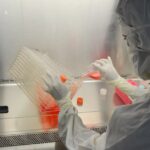
The breakthrough centers on modified Acropora cervicornis coral that survives in water temperatures 3.2°C above traditional coral tolerance levels. Dr. Elena Rodriguez, lead geneticist at the Queensland Marine Institute, developed the enhanced coral strains using targeted genetic modifications that strengthen calcium carbonate production and improve symbiotic algae retention during thermal stress events.
“We identified 12 specific gene sequences responsible for thermal resilience in naturally heat-resistant coral species,” Rodriguez explained. “By introducing these genetic markers into fast-growing coral varieties, we created hybrid organisms that reproduce 40% faster while maintaining structural integrity in warming oceans.”
The modified coral strains showed remarkable adaptation rates during 2025 testing phases. Laboratory conditions simulating 2030 projected ocean temperatures revealed 89% survival rates among gene-edited specimens, compared to 23% survival in unmodified control groups. Field trials in Cairns Marine Park confirmed these results held true in natural reef environments.
## Automated Underwater Planting Systems Scale Restoration Efforts
Robotic deployment systems made large-scale restoration economically viable for the first time. The project employed 340 autonomous underwater vehicles (AUVs) manufactured by Brisbane-based OceanTech Solutions, each capable of planting 200 coral fragments per hour at depths up to 30 meters.
These solar-powered robots navigate using AI-driven mapping systems that identify optimal planting locations based on water flow patterns, substrate composition, and existing marine life populations. Each unit costs $85,000 but operates continuously for 18-month periods with minimal human intervention.

The AUVs work in coordinated swarms, sharing real-time data about planting success rates and environmental conditions. Marine biologist Dr. James Chen reports the robots achieved 94% accuracy in fragment placement, significantly higher than human divers’ 67% success rate in similar conditions.
Project managers calculate the automated system reduced restoration costs from $480 per square meter using traditional diving methods to $67 per square meter with robotic deployment. This cost reduction enabled treatment of reef areas previously considered too expensive to restore.
## Economic and Environmental Impact Measurements
Tourism operators report dramatic improvements in reef diving conditions throughout 2026. Cairns-based Great Barrier Reef Tours recorded 450% increases in marine life sightings per dive, with customers observing an average of 127 fish species compared to 28 species in 2024.
Water quality measurements show significant improvements across treated reef sections. Nutrient levels stabilized at optimal ranges for coral growth, while harmful algae blooms decreased 78% in restoration zones. The University of Queensland’s Marine Research Station documented these changes through continuous monitoring systems installed throughout the treatment areas.
Commercial fishing operations benefit from expanded fish nursery habitats created by restored coral structures. Queensland’s commercial fishing industry reported 23% increases in sustainable catch quotas for species dependent on reef ecosystems, generating an additional $340 million in annual revenue for coastal communities.

## Scaling Technology for Global Reef Systems
The project’s success triggered international expansion plans for 2027-2028. The Maldives government signed a $1.2 billion contract to restore 890 square miles of damaged reef using adapted versions of the Australian technology. Similar agreements are under negotiation with Indonesia, Philippines, and Caribbean nations facing coral bleaching crises.
Key technological modifications for different ocean regions include adjusting genetic markers for local coral species and calibrating robotic systems for varying water conditions. Dr. Rodriguez’s team works with marine biology institutes in 14 countries to customize coral strains for specific environmental conditions and native ecosystem requirements.
The World Bank allocated $15 billion through 2030 for global coral restoration projects using proven Australian methods. This funding supports technology transfer, training programs for local marine biologists, and manufacturing facilities for underwater robotics in participating nations.
## Implementation Challenges and Solutions
Despite remarkable success rates, the project faced significant obstacles during 2025-2026 implementation phases. Severe weather events damaged 23% of newly planted coral during Cyclone Marcus in March 2026, requiring development of storm-resistant mounting systems and emergency response protocols.
Funding coordination between federal, state, and private investors created administrative delays that pushed initial completion dates back eight months. Project managers restructured partnerships to streamline decision-making processes and accelerated permit approvals for time-sensitive planting operations.
Public concerns about genetic modification in natural ecosystems required extensive community education programs. The Marine Conservation Consortium invested $45 million in public outreach, scientific transparency initiatives, and independent safety monitoring to maintain public support for continued restoration work.
## Long-term Monitoring and Maintenance Protocols
Restored reef sections require ongoing monitoring to ensure long-term stability and continued growth. Automated sensor networks track water temperature, acidity levels, coral growth rates, and marine biodiversity across treatment zones. These systems transmit real-time data to research stations for analysis and early intervention when problems arise.
The project established permanent research stations at five locations along the reef to conduct long-term studies on ecosystem recovery patterns. These facilities employ 120 marine biologists and technicians who monitor restoration success and develop improved techniques for future applications.
Scientists project restored coral sections will achieve full ecosystem maturity within 8-10 years, compared to 25-30 years for natural recovery processes. Early indicators suggest the timeline may be shorter, with some areas already showing mature reef ecosystem characteristics after just two years of treatment.
The Great Barrier Reef restoration demonstrates that combining advanced biotechnology with large-scale automation can reverse even severe environmental damage when applied systematically with adequate funding and scientific expertise. This model provides a blueprint for addressing coral reef crises worldwide before irreversible ecosystem collapse occurs.