North Korea’s announcement of a diplomatic summit with regional powers in Seoul represents the most significant shift in Northeast Asian geopolitics since the failed Hanoi summit in 2019. The timing couldn’t be more strategic—or surprising.
Kim Jong Un’s regime disclosed plans for the multi-party talks through state media on Tuesday, catching international observers off-guard. The summit, scheduled for March 2026, will include South Korea, China, Japan, and Russia, marking the first time North Korea has agreed to negotiations on South Korean soil since the peninsula’s division in 1945.
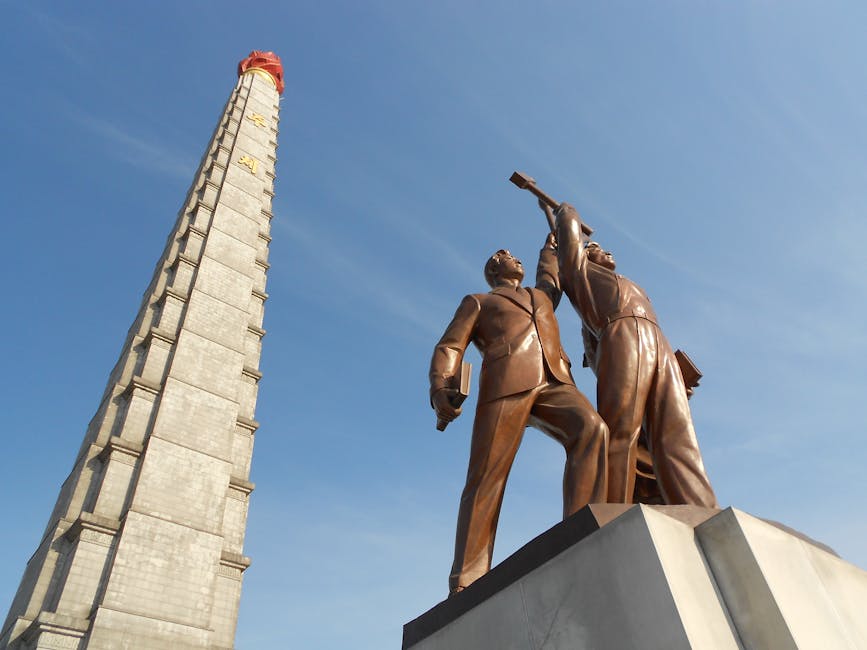
## What’s Driving This Unprecedented Move
North Korea’s sudden diplomatic pivot stems from mounting economic pressures and shifting regional dynamics. UN sanctions have crippled the country’s economy, with GDP contracting 4.5% in 2025 according to South Korean intelligence estimates. Meanwhile, China’s reduced economic support—down 23% from pre-pandemic levels—has forced Pyongyang to seek alternative partnerships.
The announcement follows months of behind-the-scenes negotiations facilitated by South Korean President Yoon Suk-yeol’s administration. Seoul offered significant economic incentives, including a $15 billion infrastructure development package contingent on denuclearization progress. Japan, despite historical tensions, signaled willingness to provide technical expertise for North Korea’s energy transition, potentially worth $8 billion over five years.
Russia’s participation adds another layer of complexity. Moscow’s strained relationship with the West following the Ukraine conflict has pushed it closer to Asian partners. Russian Foreign Minister Sergei Lavrov confirmed participation, stating the summit represents “a new chapter in multipolar diplomacy” that could establish alternative frameworks to Western-led international institutions.
## Key Players and Their Stakes
### South Korea’s Strategic Gamble
President Yoon’s administration views this summit as a legacy-defining opportunity. South Korea has committed to hosting costs estimated at $200 million, including security arrangements for Kim Jong Un’s first visit to Seoul. The potential payoff is enormous: reunification discussions, reduced military tensions, and economic integration could boost South Korea’s GDP by an estimated 2-3% annually.
Seoul’s approach differs markedly from previous engagement attempts. Rather than broad promises, South Korea has prepared specific project proposals: joint railway construction, shared industrial zones, and coordinated responses to climate change. The Gyeongui Railway restoration project alone could generate $50 billion in trade volume within a decade.
### China’s Balancing Act
Beijing faces the delicate task of supporting North Korean engagement while maintaining regional influence. China’s participation ensures no major decisions occur without Chinese input, particularly regarding economic arrangements that could affect border security and refugee flows.
Chinese President Xi Jinping’s government has privately assured North Korea of continued energy supplies during the transition period. This guarantee, worth approximately $2 billion annually, provides Kim Jong Un with crucial economic breathing room while pursuing diplomatic solutions.
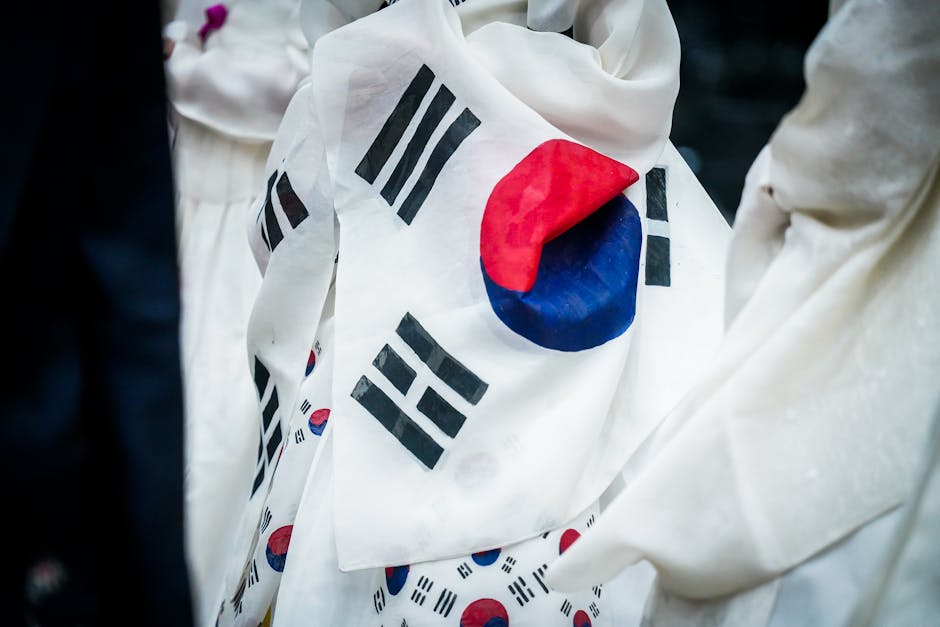
## Economic Implications and Market Reactions
Financial markets responded immediately to the summit announcement. South Korean won strengthened 3.2% against the dollar, while defense contractor stocks in the region dropped sharply. Hyundai Engineering & Construction surged 12% on prospects of North Korean infrastructure projects, while Samsung Electronics gained 5% on potential supply chain opportunities.
The summit could reshape regional trade patterns. North Korea’s untapped mineral reserves—including rare earth elements worth an estimated $6 trillion—represent a significant prize for participating nations. Japan’s technology sector, particularly semiconductor manufacturers, see opportunities to establish cost-effective production bases.
Currency analysts predict the summit’s success could trigger massive capital inflows to Northeast Asian markets. Goldman Sachs estimates successful negotiations could add $400 billion in market capitalization across regional exchanges within 18 months.
## Security Concerns and Verification Challenges
North Korea’s nuclear program remains the summit’s central challenge. Intelligence reports suggest the country maintains approximately 60 nuclear warheads and continues uranium enrichment at the Yongbyon facility. Any meaningful agreement requires robust verification mechanisms—a historically contentious issue.
The International Atomic Energy Agency has prepared comprehensive inspection protocols, drawing lessons from Iran nuclear negotiations. Director General Rafael Grossi announced readiness to deploy teams within 30 days of any agreement, with monitoring equipment capable of detecting nuclear activity within 24 hours.
Security arrangements for the summit itself present unprecedented challenges. South Korean authorities coordinate with counterparts from all participating nations, while North Korean advance teams conduct detailed venue inspections. The estimated security cost of $75 million reflects the complexity of protecting multiple world leaders in a politically sensitive environment.

## What Success Looks Like in 2026
Realistic expectations center on incremental progress rather than comprehensive solutions. Success indicators include: establishment of permanent diplomatic channels, limited sanctions relief tied to specific actions, and framework agreements for economic cooperation.
The summit’s structure mirrors successful historical precedents. Multi-day negotiations allow for both formal sessions and informal bilateral meetings. Technical working groups will address specific issues like railway connections, energy cooperation, and family reunification programs.
Most importantly, the summit creates momentum for sustained engagement. Previous failures often resulted from unrealistic expectations and all-or-nothing approaches. This framework emphasizes step-by-step implementation with built-in review mechanisms.
## The Path Forward
North Korea’s willingness to meet in Seoul signals genuine interest in diplomatic solutions, but success depends on realistic goal-setting and sustained commitment from all parties. Economic incentives must be substantial enough to outweigh the regime’s security concerns, while verification requirements must be rigorous enough to satisfy international skeptics.
The March 2026 summit won’t solve decades of regional tensions overnight, but it offers the best opportunity for meaningful progress since the Korean War armistice. Market reactions suggest cautious optimism, while security experts emphasize the need for measured expectations. Whether Kim Jong Un’s diplomatic gamble pays off will depend on his willingness to make concrete concessions in exchange for economic benefits his isolated nation desperately needs.