The Federal Election Commission announced sweeping new regulations on November 15, 2024, mandating that all electronic voting systems undergo enhanced cybersecurity audits and implement blockchain-based verification protocols by January 2026. The decision affects 8,200 jurisdictions across 42 states that rely on digital voting technology.
State election officials are split on the timing. Georgia Secretary of State Brad Raffensperger called the requirements “technologically sound but logistically nightmarish,” while Michigan’s Jocelyn Benson praised the move as “overdue protection for election integrity.” The regulations come with a $2.3 billion federal funding commitment, but critics argue that’s insufficient for full implementation.

## State-by-State Implementation Challenges
The new regulations create a patchwork of compliance challenges across different voting systems. States using Dominion Voting Systems’ ImageCast Evolution machines must install new firmware updates and integrate with approved blockchain verification networks by March 2025. ES&S ExpressPoll systems require hardware modifications costing approximately $1,200 per unit.
Florida faces the steepest hurdle with 4,800 voting machines requiring upgrades. The state legislature allocated $89 million in emergency funding but warns that rural counties may need federal assistance to meet deadlines. Polk County Supervisor of Elections Lori Edwards estimates her jurisdiction alone needs $2.4 million for compliance.
Texas presents a different challenge. The state’s decentralized election system means 254 counties must individually contract for upgrades. Harris County, which serves 2.4 million registered voters, has already signed a $12 million agreement with Smartmatic for system overhauls. Smaller counties like Loving County, with just 64 registered voters, question whether the same security standards make financial sense.
### Cybersecurity Audit Requirements
Every voting system must pass penetration testing by certified ethical hackers before the 2026 midterms. The Defense Digital Service will conduct these audits using the same protocols applied to Pentagon systems. Each audit costs between $150,000 and $300,000 depending on jurisdiction size.
Arizona completed the first pilot audit in October 2024. Maricopa County’s system passed after addressing 14 minor vulnerabilities, but the process took six weeks and cost $275,000. County Recorder Stephen Richer noted that smaller jurisdictions lack the technical staff to manage such intensive reviews.
## Technology Vendor Responses and Market Consolidation
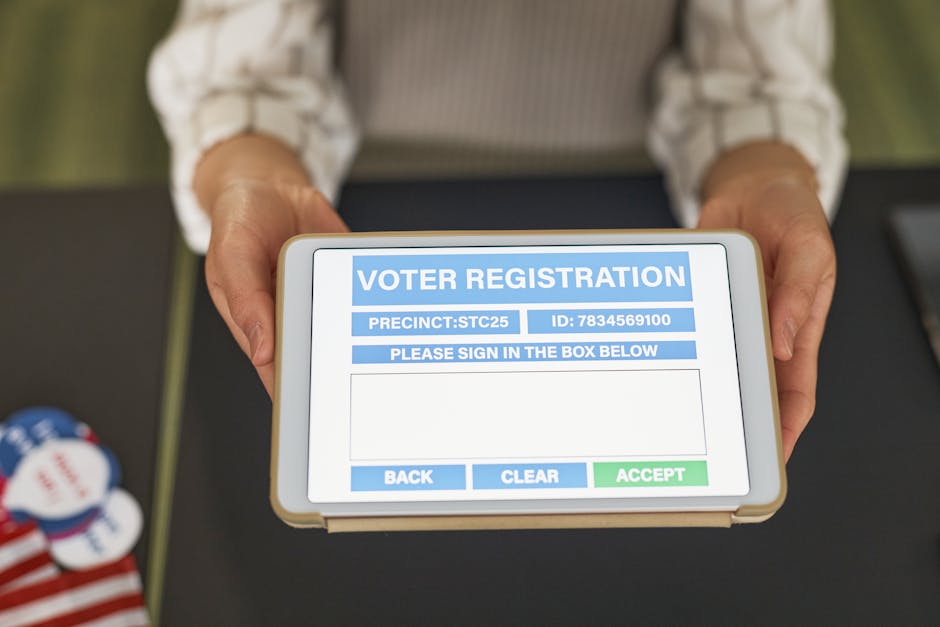
Major voting technology companies are scrambling to meet new certification standards. Dominion Voting Systems announced a $150 million research and development investment to develop compliant hardware. The company’s new ImageCast Evolution 3.0 includes built-in blockchain verification and enhanced paper trail capabilities.
ES&S faces a more complex situation. The company’s ExpressPoll systems require complete motherboard replacements to support new encryption standards. ES&S estimates retrofitting existing machines will cost $850 per unit, while new purchases run $3,200 each. The company has hired 300 additional technicians to handle the upgrade volume.
Smartmatic, previously excluded from many U.S. contracts due to foreign ownership concerns, gained ground after establishing a Delaware subsidiary with American executives. The company’s SAES 1800 system already meets most new requirements, giving it a competitive advantage in bid processes.
### Blockchain Integration Complications
The blockchain verification requirement has created unexpected technical challenges. Each vote must generate a unique cryptographic hash stored on a distributed ledger while maintaining voter privacy. Hart InterCivic’s Verity system struggled with processing speeds during beta testing, with vote recording times increasing from 12 seconds to 89 seconds.
Election officials worry about voter patience during peak hours. Los Angeles County processes up to 75,000 votes per hour during presidential elections. Any system slowdown could create long lines and voter suppression concerns. The county is piloting a hybrid approach using traditional recording with blockchain backup verification.
## Legal Challenges and Constitutional Questions
Seventeen states filed suit in federal court challenging the FEC’s authority to mandate specific technologies. The lawsuit, led by Texas Attorney General Ken Paxton, argues that election administration remains a state responsibility under the Constitution’s Election Clause.
Legal scholars are divided. Professor Ned Foley of Ohio State University’s election law program supports federal standards, citing the need for uniform security across state lines. However, Professor Richard Pildes of NYU Law warns that federal technology mandates could create “constitutional overreach” and undermine federalism principles.
The Supreme Court agreed to hear arguments in March 2025. A decision before the implementation deadline could force emergency legislative action or delay the entire program.

## Practical Impact on Voters and Election Officials
Voters will notice several changes when casting ballots in 2026. Paper ballot verification becomes mandatory in all jurisdictions, adding 30-45 seconds to the voting process. Touch screen interfaces must display real-time blockchain confirmation codes, which some voters find confusing during training sessions.
Poll worker training requirements have expanded significantly. Each worker must complete 12 hours of cybersecurity awareness training, up from the previous 4-hour general orientation. Training costs increased from $45 per worker to $180, straining local election budgets.
Accessibility advocates raised concerns about blockchain interfaces affecting voters with disabilities. The National Federation of the Blind tested prototype systems and found that screen readers cannot properly interpret cryptographic confirmation displays. Vendors have six months to develop accessible alternatives.
## Budget Implications and Funding Gaps
The federal government’s $2.3 billion allocation covers roughly 60% of estimated compliance costs. The Election Assistance Commission projects total expenses at $3.8 billion, leaving states to find $1.5 billion in additional funding.
California leads in preparation, allocating $340 million from its budget surplus for voting system upgrades. Governor Gavin Newsom signed legislation creating a revolving loan fund for counties that need upfront capital. Conversely, states like West Virginia and Wyoming request federal emergency assistance, arguing they cannot afford mandatory compliance.
Private foundations have stepped in to fill gaps. The Chan Zuckerberg Initiative pledged $100 million specifically for small county upgrades, while Arnold Ventures committed $50 million for cybersecurity training programs.
The 2026 midterm elections will serve as the first major test of America’s most ambitious voting technology overhaul since the Help America Vote Act of 2002. Success depends on seamless coordination between federal regulators, state officials, technology vendors, and local election administrators. Voters deserve secure elections, but implementation challenges could create new problems while solving old ones. States that start planning now have the best chance of smooth transitions, while those delaying face potential chaos at the polls.