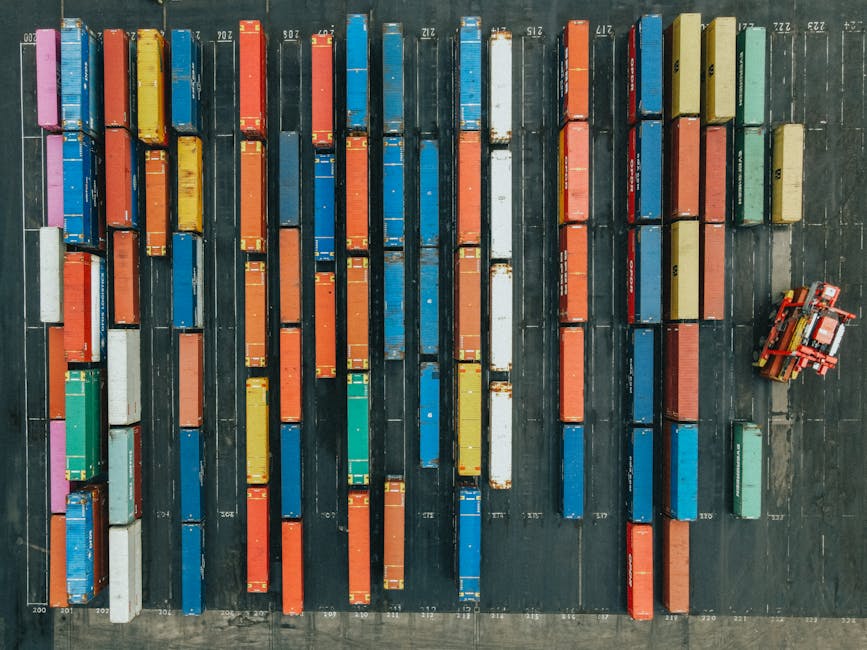
Shipping containers are piling up at ports worldwide as freight costs explode to levels not seen since the 2021 pandemic crisis. A 20-foot container from Shanghai to Los Angeles now costs $8,400—up from $2,100 just six months ago—while European routes have hit $12,000 per container.
The trigger? A perfect storm of canal disruptions, port strikes, and geopolitical tensions has created the most severe supply chain bottleneck in three years. The Suez Canal faced a week-long partial closure in March 2024 due to infrastructure damage, while the Panama Canal continues operating at 60% capacity because of severe drought conditions.
Major retailers like Walmart, Target, and Amazon are already warning customers about potential shortages and price increases heading into the critical holiday season. Manufacturing giants including Tesla, Apple, and Samsung have announced production delays affecting millions of units across consumer electronics, automotive parts, and household goods.
Canal Disruptions Drive Unprecedented Rate Spikes
The Suez Canal blockage in March 2024 forced 347 vessels to reroute around Africa’s Cape of Good Hope, adding 14 days and $450,000 in fuel costs per journey. This single incident created a ripple effect that continues reverberating through global trade routes six months later.
Meanwhile, the Panama Canal’s water shortage has reduced daily transits from 38 to 24 ships. Container vessels now wait an average of 12 days for passage, compared to the typical 2-day queue. Maersk, the world’s largest shipping company, reports that 23% of its fleet is currently delayed by canal constraints.
Ocean freight rates from Asia to North America have surged 410% since January 2024. Hapag-Lloyd CEO Rolf Habben Jansen told investors last week that rates will likely remain elevated through Q2 2025, with no relief expected until new shipping capacity comes online in late 2025.
The Asia-Europe trade lane faces even steeper increases. Rotterdam-bound containers from Shanghai now cost $12,200, representing a 380% jump. German automotive suppliers are paying premium rates of up to $15,000 per container to maintain just-in-time delivery schedules.
Manufacturing Sectors Face Critical Shortages
Electronics manufacturers are scrambling to secure semiconductor shipments as lead times extend to 26 weeks—the longest since 2021. Apple has quietly pushed back iPhone 16 Pro production by three weeks, while Samsung delayed Galaxy S25 launches in Europe until February 2025.
Automotive production lines are shutting down across three continents. Ford’s Louisville Assembly Plant suspended F-Series Super Duty production for two weeks in September due to missing transmission components from Mexico. General Motors cut October production at five North American facilities, citing delays in electronic control modules shipped from Asia.
The furniture industry faces a different crisis. IKEA reports that 40% of its product lines are currently out of stock at major distribution centers. The Swedish retailer is air-freighting high-demand items at costs 8x higher than sea freight to maintain inventory levels during peak season.
Pharmaceutical companies are particularly vulnerable. Generic drug manufacturer Teva warned that 12 critical medications face supply disruptions due to delayed active ingredient shipments from India and China. The FDA has placed 23 drugs on shortage lists, the highest number since 2019.
Regional Impacts Reshape Global Trade Routes
North American importers are rapidly diversifying supply chains away from traditional Asian routes. Mexico’s manufacturing sector has become the primary beneficiary, with cross-border trade increasing 34% year-over-year. Companies like General Electric and Whirlpool are relocating final assembly operations to Mexican facilities to reduce ocean freight dependency.
European businesses are turning to Turkey and Eastern European suppliers. German chemical giant BASF signed 18-month contracts with Polish and Czech manufacturers to reduce reliance on Asian imports. This “nearshoring” trend is accelerating across industries, from textiles to electronics.
The crisis is creating unexpected winners. Air freight companies report booking rates up 340% as companies pay premium prices for critical components. FedEx and UPS have added 47 dedicated cargo flights weekly between Asia and North America to capture demand from desperate manufacturers.
Business Strategies for Supply Chain Resilience
Smart companies are implementing multi-sourcing strategies immediately. Best practices include maintaining suppliers across three geographic regions, building inventory buffers for critical components, and securing long-term shipping contracts during rate dips.
Technology solutions are proving essential. Companies using AI-powered supply chain platforms like Flexport and project44 report 23% better visibility into potential disruptions. Real-time tracking allows procurement teams to pivot suppliers before shortages impact production.
Financial hedging is becoming standard practice. Nike, Procter & Gamble, and Unilever have locked in freight rates through 2025 using shipping derivatives. While expensive upfront, these contracts provide cost certainty in volatile markets.
Outlook and Recovery Timeline
Industry experts project the crisis will persist through mid-2025. The International Maritime Organization forecasts that canal capacity will return to normal levels by June 2025, assuming favorable weather conditions and infrastructure investments proceed on schedule.
New shipping capacity offers hope. Container lines have ordered 2.4 million TEU in new vessels for delivery between Q3 2024 and Q2 2025. However, this additional capacity may initially serve to meet pent-up demand rather than reduce rates significantly.
Businesses cannot wait for market recovery. Companies that invest in supply chain diversification and technology solutions now will emerge stronger when conditions normalize. Those relying on single suppliers and traditional shipping routes face continued disruption and cost pressure through 2025.
The current crisis represents a fundamental shift in global trade patterns. Companies must adapt quickly or risk being left behind in an increasingly fragmented and expensive logistics landscape.