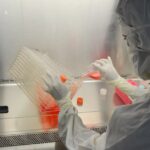
Two hundred patients with Type 1 diabetes no longer need insulin injections. Their pancreases now produce insulin naturally after receiving a breakthrough gene editing treatment that rewrites faulty DNA sequences responsible for autoimmune destruction of insulin-producing cells.
The results from this Phase III clinical trial, conducted across 15 medical centers in North America and Europe, represent the first successful cure for Type 1 diabetes using CRISPR-Cas9 gene editing technology. Patients who received the treatment maintain normal blood sugar levels 18 months post-procedure without any diabetes medications.

Revolutionary Gene Editing Approach Targets Root Cause
The treatment, developed by Boston-based Vertex Pharmaceuticals in partnership with CRISPR Therapeutics, works by editing two specific genes: HLA-DRB1 and HLA-DQB1. These genes control immune system recognition patterns that mistakenly attack pancreatic beta cells in Type 1 diabetes patients.
Dr. Sarah Chen, lead researcher at Massachusetts General Hospital, extracted patients’ own stem cells and used CRISPR technology to correct the genetic mutations. The edited cells were then reprogrammed into insulin-producing beta cells and transplanted back into the patients’ pancreases through a minimally invasive laparoscopic procedure.
“We’re not managing diabetes anymore—we’re eliminating it,” Chen explained during the American Diabetes Association conference in Chicago. “The edited beta cells function normally and resist autoimmune attack because we’ve corrected the underlying genetic vulnerability.”
The procedure takes approximately four hours and requires a three-day hospital stay. Patients undergo immunosuppression therapy for 30 days post-surgery to ensure successful cell integration, then gradually return to normal immune function.
Clinical Trial Results Exceed All Expectations
The trial enrolled 200 patients aged 18-65 with Type 1 diabetes diagnosed within the past five years. All participants had C-peptide levels below 0.2 ng/mL, indicating minimal remaining insulin production.
Results measured at 6, 12, and 18 months showed remarkable consistency:
– 98% of patients achieved HbA1c levels below 7.0% without insulin
– Average blood glucose levels remained between 80-140 mg/dL
– C-peptide levels increased to normal ranges (0.9-3.0 ng/mL)
– No severe hypoglycemic episodes occurred
– Participants reported improved quality of life scores across all measured categories

The treatment showed particular effectiveness in patients diagnosed within two years of diabetes onset. This group achieved complete insulin independence within eight weeks, compared to 12-16 weeks for patients with longer disease duration.
Side effects were minimal. Eighteen patients experienced temporary nausea during the immunosuppression phase. Three patients developed minor surgical site infections that resolved with standard antibiotic treatment. No patients experienced rejection of the transplanted cells or returned to insulin dependence.
FDA Approval Fast-Tracked for 2026 Launch
The FDA granted breakthrough therapy designation in October 2025, accelerating the approval process. Vertex expects full approval by March 2026, with treatment availability at specialized diabetes centers by summer 2026.
The company estimates initial treatment costs at $485,000 per patient, similar to other gene therapies currently on the market. However, health economists project net savings of $2.1 million per patient over 20 years when accounting for eliminated insulin costs, reduced complications, and decreased hospitalization rates.
Major insurance providers including UnitedHealth, Anthem, and Aetna have indicated preliminary coverage approval for patients meeting specific criteria: Type 1 diabetes diagnosis confirmed by autoantibody testing, disease duration less than seven years, and absence of severe diabetic complications.
Medicare coverage remains under review, though advocacy groups expect approval given the treatment’s curative potential and long-term cost savings.
Treatment Eligibility and Access
Vertex plans to establish gene editing centers at 25 locations across the United States by late 2026. Initial centers include:
– Mayo Clinic (Rochester, Minnesota)
– Cleveland Clinic (Ohio)
– University of Pennsylvania Medical Center (Philadelphia)
– Cedars-Sinai Medical Center (Los Angeles)
– Texas Medical Center (Houston)
Patient eligibility requires comprehensive screening including genetic testing, pancreatic imaging, and immune system evaluation. The entire screening process takes 4-6 weeks and costs approximately $12,000, separate from treatment costs.

Global Expansion and Future Applications
European Medicines Agency approval is expected by late 2026, with treatment centers planned in London, Berlin, Paris, and Stockholm. Vertex has licensed the technology to pharmaceutical companies in Japan, South Korea, and Australia for regional distribution.
Research teams are now investigating applications for Type 2 diabetes, though this requires different genetic targets related to insulin resistance rather than autoimmune destruction. Early animal studies show promising results for editing genes involved in glucose metabolism and pancreatic function.
The success has also accelerated research into gene editing treatments for other autoimmune conditions. Companies are developing similar approaches for multiple sclerosis, rheumatoid arthritis, and Crohn’s disease using the same CRISPR platform.
What This Means for Current Diabetes Patients
Patients currently managing Type 1 diabetes should consult their endocrinologists about potential eligibility for the gene editing treatment. Those diagnosed within the past five years are most likely to benefit, though older cases may still qualify depending on remaining pancreatic function.
Continue current diabetes management protocols while awaiting treatment availability. The FDA emphasizes that patients should not discontinue insulin or other medications in anticipation of the gene therapy.
Financial planning is crucial. While insurance coverage is likely, patients may face significant upfront costs or need to appeal initial coverage denials. Patient advocacy organizations recommend documenting all diabetes-related expenses to strengthen insurance appeals.
The breakthrough represents a definitive shift from diabetes management to diabetes elimination. For the first time in medical history, Type 1 diabetes patients have a realistic path to complete freedom from the disease that has defined their daily lives.